A sportsbook or online casino never closes. While one player deposits funds to bet on a game starting in minutes, another requests a withdrawal of their winnings. At the same time, a gateway processes transactions, applies fees, and settles payments. Everything happens simultaneously, across multiple providers, markets, and jurisdictions.
The challenge is not just volume, but variability. Each provider reports with different formats, identifiers, criteria, and timelines. References don’t always match across systems, and a minor change in a file can interrupt an entire control flow.
Every new gateway or jurisdiction adds a different logic to the operation. And in an industry where the business depends on verifying every deposit, withdrawal, fee, or in-game purchase, any discrepancy can translate into losses, cash errors, or regulatory exposure.
Without continuous, transaction-level reconciliation, two critical capabilities break down: real visibility into cash flow and traceability of outstanding items.
The blind spot in the cash position
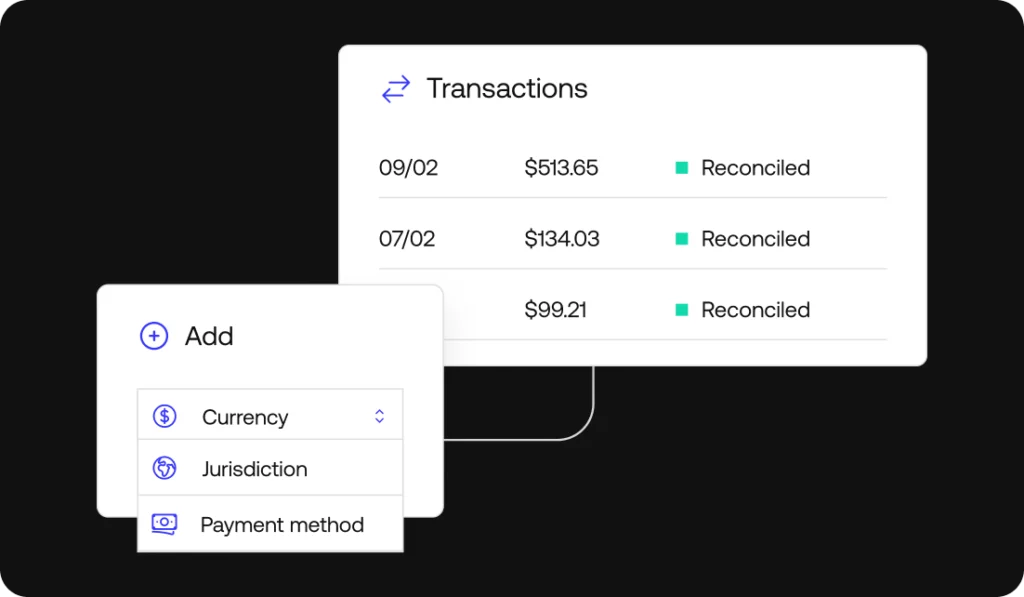
Knowing how much capital is actually available, by provider and by region, is the foundation for sound financial and operational decisions.
The blind spot emerges because every movement crosses different systems. The same transaction may be recorded in the internal core system, at the payment provider, and at the bank with different identifiers, dates, or criteria.
When control is performed at an aggregate level, it becomes difficult to trace the gap between what the platform recorded, what the provider confirmed, and what actually landed in the bank account.
Withdrawals follow a similar pattern: they may be approved, in processing, executed, or confirmed to the player. Without a transaction-level view, it is not always possible to know which stage they are at or which items remain outstanding.
If reconciliation is only run in batches or at month-end close, the cash position stops being a verified figure and becomes an estimate. And that is not enough to define working capital, calculate immediate obligations, or demonstrate operational solvency to a regulator.
When outstanding items have no context or owner
The second breakdown is less visible, but can be just as costly.
It is not enough to detect that a transaction did not reconcile. You also need to know which one it is, how long it has been outstanding, at what stage it stalled, and who is responsible for resolving it.
Without that information, each item remains an open exposure: a duplicated credit, a missing transaction, a delayed settlement, an incorrect fee, or a discrepancy against the provider’s report.
When these cases are managed across spreadsheets, emails, or scattered exchanges, the team may identify the discrepancy without having the elements needed to close it. Many are only detected during the monthly reconciliation, by which point reconstructing the transaction, filing a claim with the provider, or correcting the record is far more difficult.
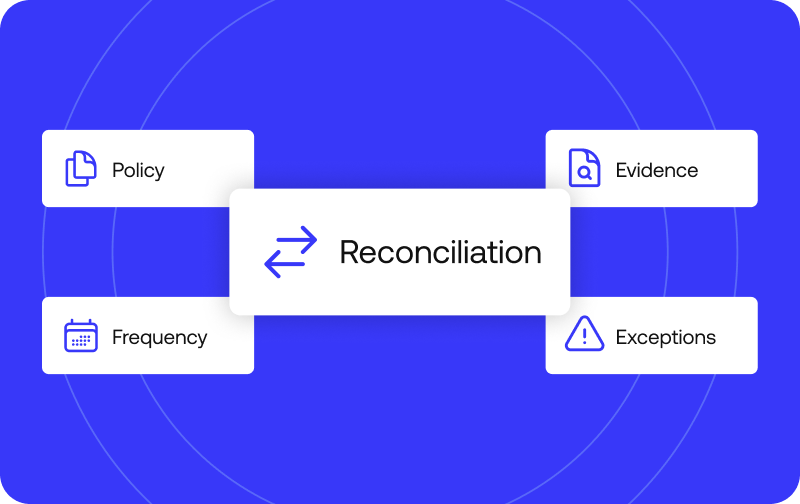
That is why reconciliation does not end when an anomaly is identified. Control must also encompass its investigation, assignment, and resolution.
Continuous, transaction-level, evidence-based control
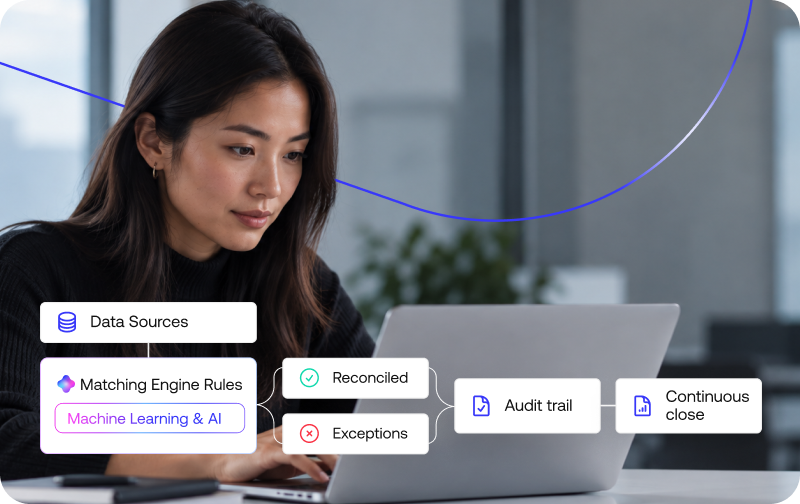
Recovering visibility over cash and traceability over outstanding items demands more than aggregating reports or dashboards. It requires a scheme of continuous, transaction-level reconciliation, in which every position can be explained and backed by evidence.
Simetrik’s solutions make it possible to follow the complete journey of money: from when a transaction is initiated through to its settlement, accounting entry, and, if a discrepancy arises, its investigation and resolution. This is achieved through Domains: control modules designed to cover specific layers of the operation.
Some of the most relevant for the sector are:
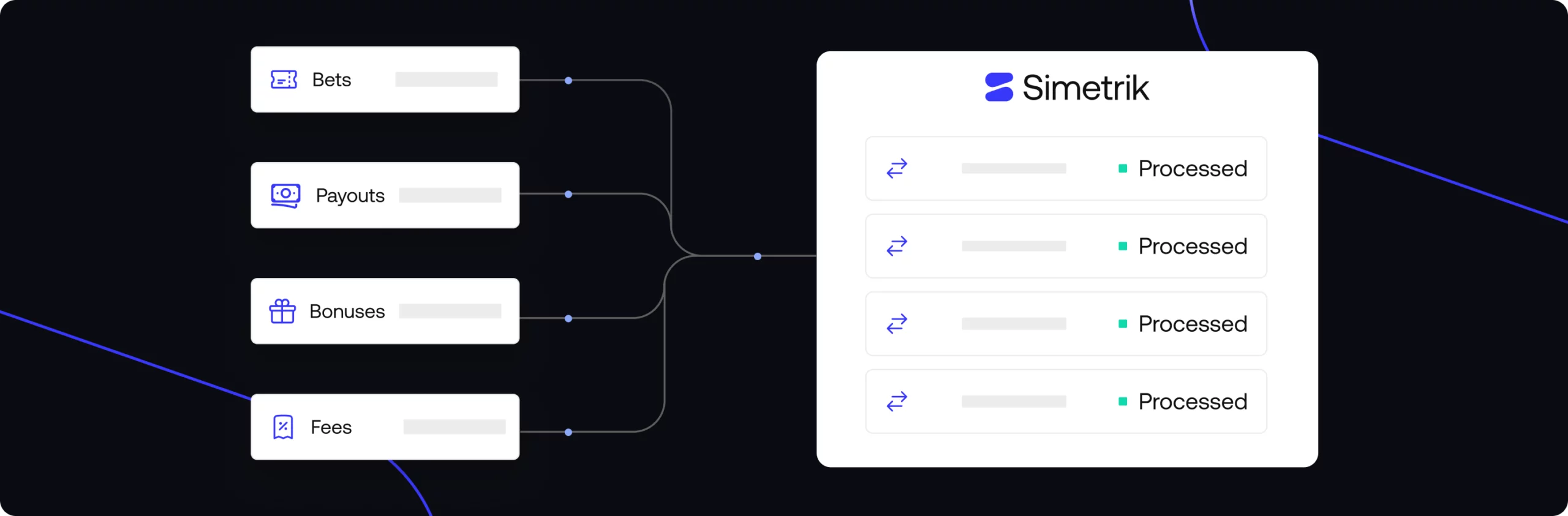
- Cash In and Cash Out validate every inflow and outflow against internal operational data, payment provider information, and, where applicable, the bank movement. This allows deposits, withdrawals, and disbursements to be tracked from origin to settlement or confirmation, and identifies duplicates, missing transactions, rejections, incorrect amounts, or movements that have not yet completed their journey. Together, both Domains enable a verifiable view of cash flow: how much money is actually available, which provider holds it, and which items remain outstanding.
- Fees & Billing controls the fees and charges applied by any payment provider, operator, or third party involved in settlement. Rather than assuming an invoice is correct, it cross-checks the charges applied against the agreed conditions and the transactions that originated them. In an industry where margin depends on multiple billing schemes, this control detects variances that might otherwise remain hidden within aggregate figures.
- Unified Oversight & Alerts integrates these controls into a single view. It enables review of cash positions, distinguishes reconciled from unreconciled items, and tracks each outstanding item by status and owner. Control does not end when an alert fires. Simetrik also retains the evidence of what happened next: how the discrepancy was investigated, who was involved, and how it was resolved.
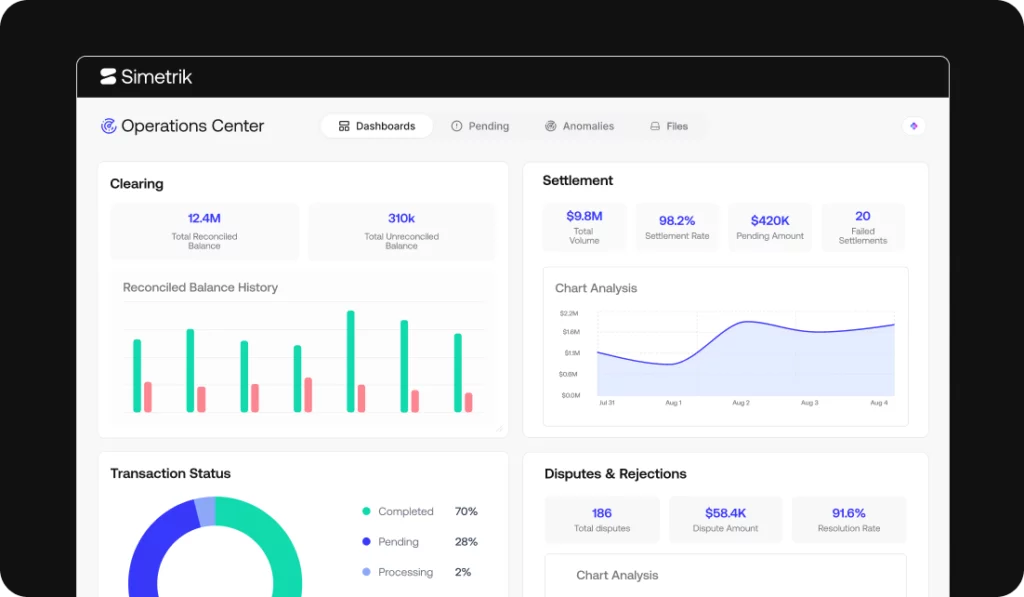
Simetrik has eight control Domains in total, adaptable to each operation’s structure and providers.
Two major players in Latin America have implemented Simetrik and demonstrate how this model works in practice.
BetWarrior: end-to-end financial control across four regions
BetWarrior operates a sports betting and entertainment platform in Argentina, Peru, Brazil, and other Latin American markets. With regional expansion, each gateway functioned as a separate universe: teams combined reports, resolved inconsistencies, and maintained increasingly complex manual controls.
With Simetrik, BetWarrior consolidated its six PSPs across each of the four regions where it operates, automated deposit and withdrawal reconciliation, and gained provider-level visibility with near real-time monitoring. Every movement can be tracked from origin to settlement, without relying on manual reviews or batch consolidations. Undefined statuses and inconsistent classifications are detected before they become losses.
Learn more about the BetWarrior case.
Bplay: available cash and traceable outstanding items by provider
Bplay, Boldt’s sports betting and online casino platform, operates in Argentina, Paraguay, and Brazil. It processes deposits, withdrawals, and settlements through different gateways, each with its own formats, rules, and timelines.
This fragmentation made it difficult to centralize movements, validate fees, and control settlements. In addition, journal entries to SAP were generated manually, increasing operational workload and the risk of errors.
With Simetrik, Bplay automated 1:1 reconciliation across its five gateways, validating fees and agreed timelines per transaction. In a single view, teams can consult the available cash by provider and the status of each discrepancy.
The model also automatically generates 20 types of journal entries to SAP, reducing the manual workload at month-end close.
Learn more about the Bplay case.
Financial control without blind spots
BetWarrior and Bplay started from different operations, but faced the same problem: isolated gateways, late discrepancies, and cash positions based on unvalidated information.
Continuous control makes it possible to move from aggregate totals and after-the-fact reviews to a model where every movement can be explained, every discrepancy managed, and every financial position backed by transactional evidence. This is how Simetrik works for the Betting & iGaming industry.
The difference is concrete: operating with verified data or making decisions based on estimates that are only corrected at month-end close.
In an industry where money never stops moving, control cannot either.
Request a personalized demo and discover how Simetrik can bring greater visibility, traceability, and control to your financial operation.