Use Cases
Accounting Operations
Books that match reality
Ensure accounting integrity and fast, predictable closings. With Simetrik, you reconcile operations against your general ledger daily, not just at period-end.
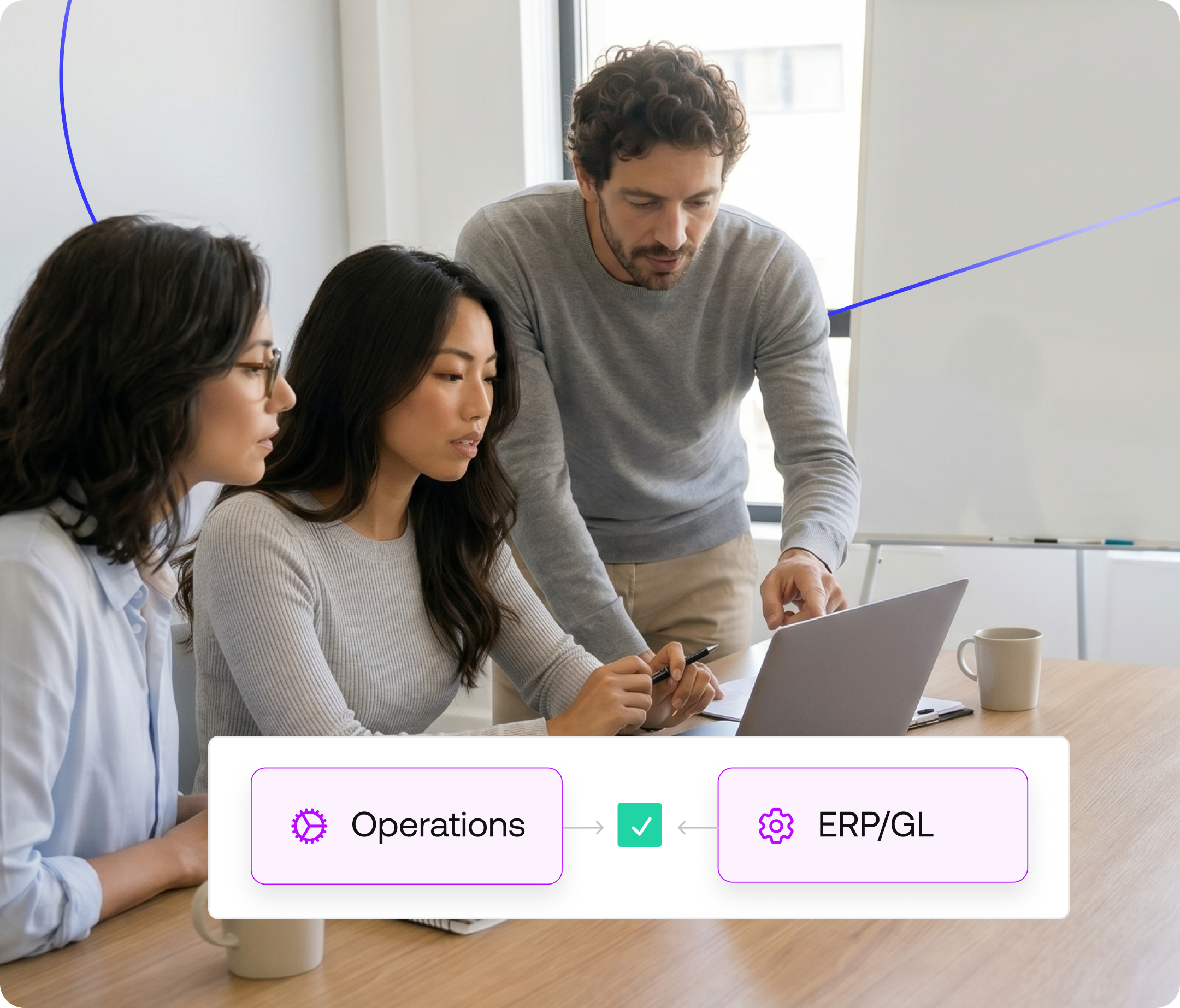
The closing cycle blind spot
Every close cycle follows the same pattern: accounting teams race to reconcile operational records against the general ledger, validate subledger balances, and resolve discrepancies, all under a tight deadline. The pressure compounds because upstream issues surface here as accounting mismatches.
Most teams discover these gaps during the close, when there’s no time to investigate properly. The result: manual adjustments, aging transitory accounts that distort balances, unexplained variances, and audit findings that could have been prevented.
The challenge isn’t the close process itself, it’s that the data wasn’t reconciled along the way. Without daily alignment between operations and accounting, period-end becomes a cleanup exercise instead of a confirmation.
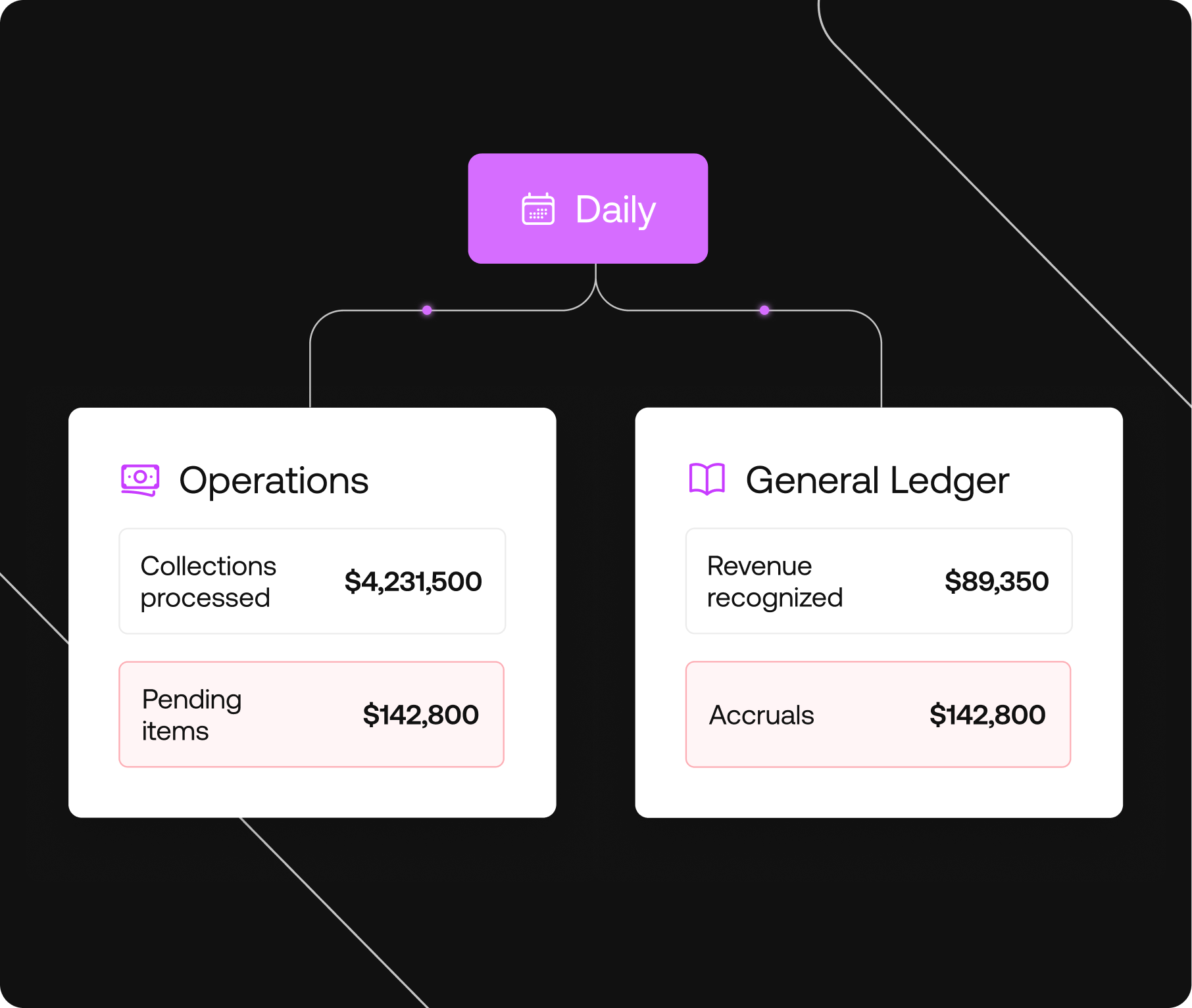
End-to-end Accounting Operations
Simetrik integrates your ERP general ledger, subledgers, and operational databases to enable daily and monthly reconciliations, supported by auditable approval workflows and full traceability.

Operational vs Accounting Check
Ensure every operational transaction is accurately reflected in the GL, with no missing or duplicated entries.

Period End Closing
Reconcile all accounts, validate classifications, and close with full GL-to-subledger alignment.
What's at stake

Cash Flow Integrity
Weak reconciliation leads to over or underestimated provisions and misclassified balances. Simetrik aligns operations with GL daily.
- Value at Risk from provisions ($)
- Accounting Misclassifications ($)

Exposure Management
Late filings, excessive adjustments, and manual closing procedures create regulatory and audit risk. Simetrik surfaces them before the close.
- Late Filing occurrences
- Adjustments: % based amount
- Operational Risk score

Operational Efficiency & TCO
Long close cycles, manual GL vs. subledger reconciliations, and FTE-heavy procedures drain resources every period. Simetrik automates them.
- Closing Time (days)
- Hours reduced
- FTEs
A clean close starts before the close
A faster close is just one outcome. Explore how Simetrik controls your entire financial operation.
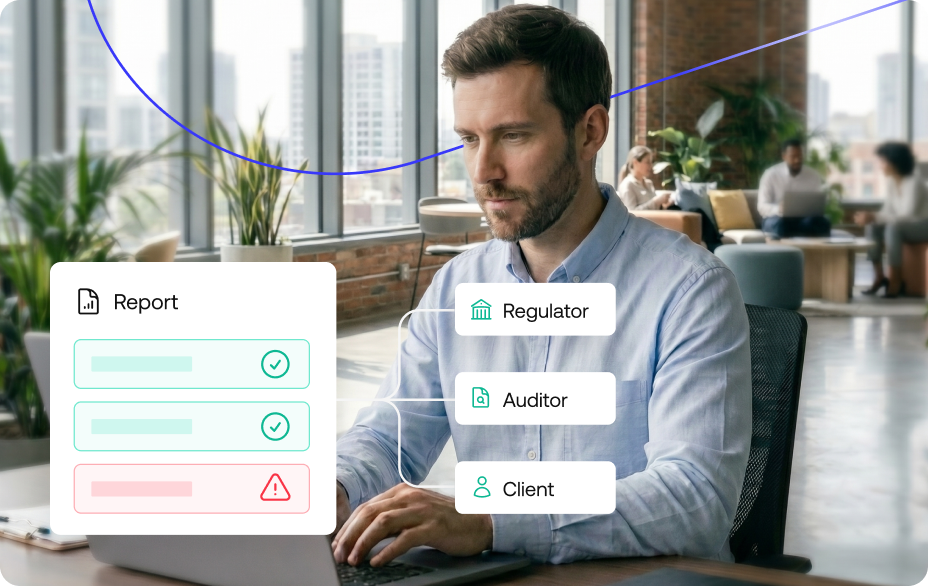
Compliance & Oversight
Reporting & Regulations
Report with Confidence
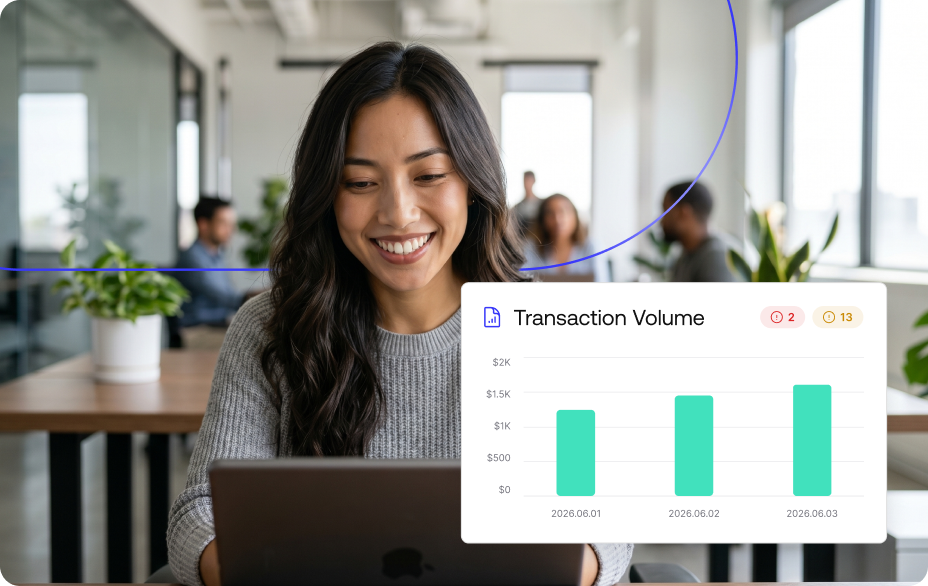
Compliance & Oversight
Unified Oversight & Alerts
Control at a Glance
Funds Flow
Cash In
Full Control Over Your Inbound Cash Flows
FAQs
What does balance sheet account reconciliation establish?
Balance sheet account reconciliation checks whether a general ledger balance is supported by the relevant schedules, subledger records and other evidence for the period. The work includes explaining differences and documenting unresolved items. Transaction matching can supply part of that evidence, but matching transactions alone does not complete the review of an account balance.
How should open reconciliation items be handled before close?
Keep open items tied to the account and reporting period, with an explanation, supporting records and a person responsible for follow-up. Review whether each difference reflects timing, a required correction or an unresolved exception. An adjustment that makes a total match still needs evidence and review; it should not hide the reason for the difference.
What should an account reconciliation evidence package contain?
Include the general ledger balance, the supporting detail, the period covered and the explanation of reconciling items. The package should also show who prepared the work and who reviewed it. A reviewer needs enough context to understand how the balance was substantiated and which items remained open at the time of review.
How does Simetrik separate account preparation from certification?
Simetrik provides a preparer and certifier workflow. The preparer documents the evidence and marks the account as prepared; the certifier reviews it and signs the certification. Certification preserves an immutable record for the period. The workflow makes the preparation and review responsibilities explicit within the account reconciliation process.
Can low-risk accounts be automatically certified in Simetrik?
Simetrik supports configured autocertification conditions for low-risk accounts, such as balance inactivity or amount thresholds. Accounts outside those conditions follow the applicable review workflow. A period can be closed once its accounts are certified, autocertified or marked as not required, with preserved evidence and an audit trail.
How is account certification different from journal entry automation?
Account certification records the review of a balance and its supporting evidence. Journal entry automation creates accounting entries from defined data and rules, then uses the relevant posting workflow to send them to the ERP. They address different stages of close. Explore Accounting Automation for the journal entry process.
Every entry traceable. Every close clean.
See how Simetrik aligns your operations and accounting daily, so period-end is a confirmation, not a fire drill.